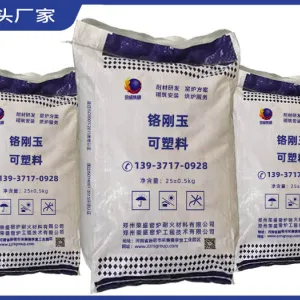
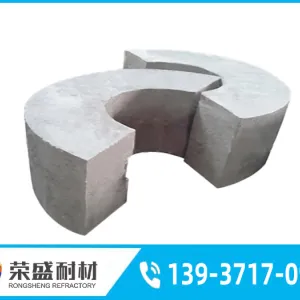
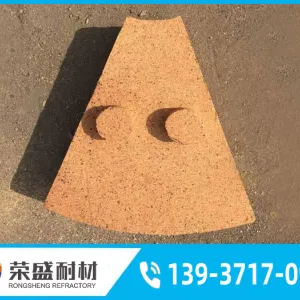
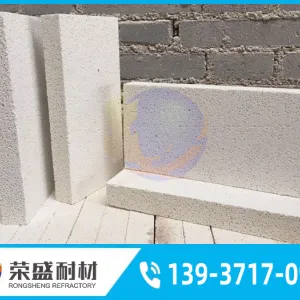
Magnesia-alumina bricks, recognized for their superior thermal stability and durability, play a vital role in high-temperature kiln operations across various industries. Given their distinctive properties, they are increasingly sought after as essential refractory materials in sectors such as metallurgy, ceramics, and glass manufacturing.
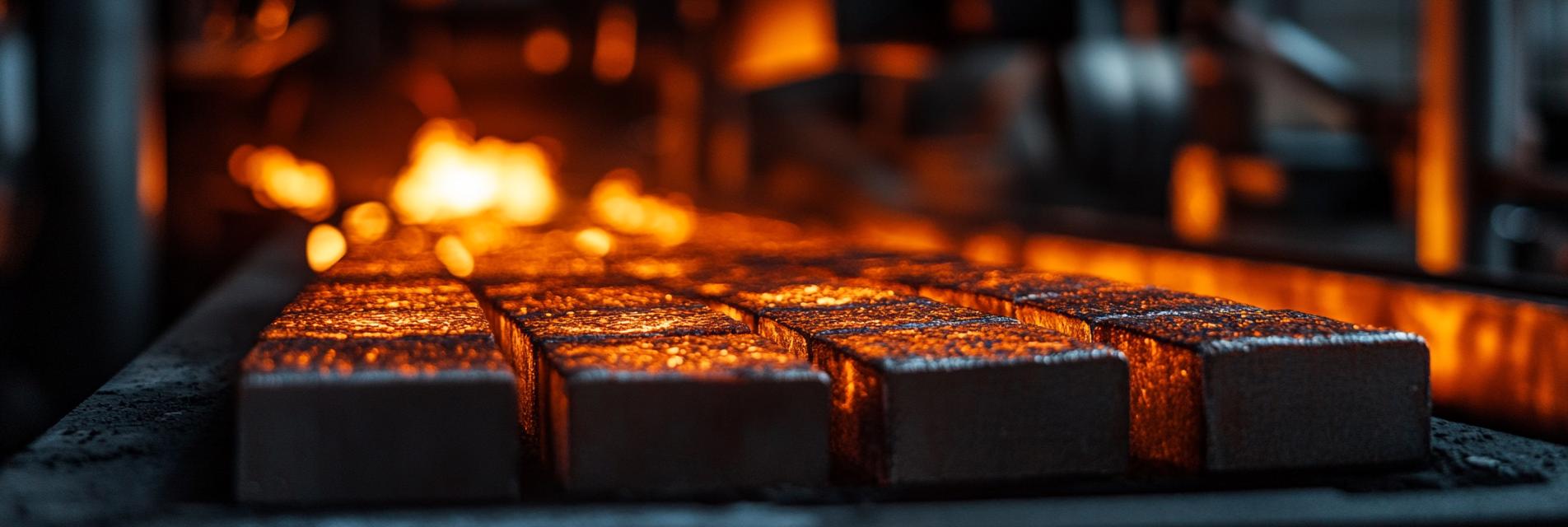
These bricks are primarily utilized in the lining of high-temperature kilns, where they withstand extreme temperatures while maintaining structural integrity. For instance, in cement kilns, magnesia-alumina bricks help enhance operational efficiency and longevity, mitigating the risks of thermal shock and chemical erosion. Moreover, they are increasingly being employed in electric arc furnaces and blast furnaces due to their excellent thermal conductivity and resistance to oxidation.
The refractory materials market, particularly magnesia-alumina bricks, is witnessing a dynamic transformation. Recent market research indicates a compound annual growth rate (CAGR) of approximately 5% from 2021 to 2026, driven by increased demand in the manufacturing and construction sectors. Furthermore, as industries pursue higher energy efficiency and lower emissions, the role of advanced refractory solutions becomes more pronounced.
Sustainability is becoming a critical focus within the refractory industry. The growing need to develop eco-friendly materials and manufacturing processes poses both challenges and opportunities. Innovative approaches, such as the utilization of recycled materials in the production of magnesia-alumina bricks, are being explored to enhance sustainability.
In summary, magnesia-alumina bricks are integral to the functioning of high-temperature kilns across various industries, offering remarkable performance and reliability. As the industry evolves, it is essential for manufacturers and stakeholders to stay abreast of emerging trends and technologies, ensuring the continued development of advanced refractory solutions that meet the demands of sustainability and efficiency.

 188
|
188
|
 energy-saving coatings
thermal loss control
high-temperature operations
energy-saving coatings
thermal loss control
high-temperature operations
 217
|
market trends
refractory materials
industry analysis
217
|
market trends
refractory materials
industry analysis
 309
|
High-Strength Mullite Castables
High-Temperature Equipment
Long-Term Stability
459
|
boiler materials
high-temperature applications
material performance
equipment lifespan
thermal efficiency
309
|
High-Strength Mullite Castables
High-Temperature Equipment
Long-Term Stability
459
|
boiler materials
high-temperature applications
material performance
equipment lifespan
thermal efficiency
 28
|
carbon refractory
high-temperature materials
industrial applications
refractory technology
28
|
carbon refractory
high-temperature materials
industrial applications
refractory technology