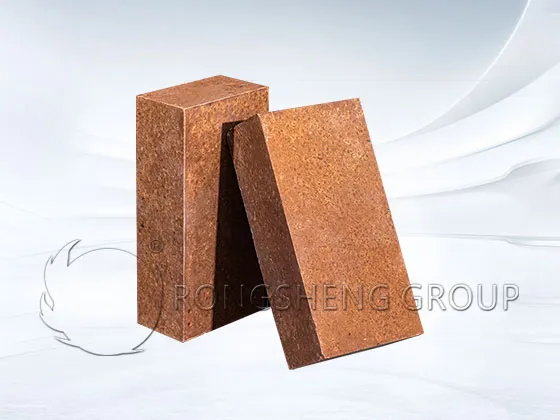
How to Extend Electric Arc Furnace (EAF) Lining Life with Thermal-Shock Resistant Sintered Zirconia Corundum Bricks
In real EAF production, most “unexpected” refractory failures are not mysterious—they follow repeatable thermal-shock patterns. This guide explains the thermal-shock damage mechanism, why thermal-shock resistant sintered zirconia corundum bricks work, and what installation + maintenance practices consistently deliver longer lining campaigns with lower risk.
1) Why EAF Linings Fail Early: The Thermal-Shock Reality
An Electric Arc Furnace is a thermal cycling machine. Rapid power-on heating, scrap cave-ins, oxygen lancing, burner flame impingement, water-cooled panel interactions, and sudden tapping events create repeated temperature gradients across the lining. These gradients generate stress. When stress exceeds the refractory’s tolerance, cracks grow, spalling accelerates, and the hot-face erodes faster than planned.
Thermal-shock damage mechanism (simple but accurate)
Thermal shock is not only “fast heating.” It is uneven heating/cooling. When the hot face expands faster than the cold face, tensile stress forms near the surface. Microcracks appear at pores, grain boundaries, or phase interfaces; then each cycle drives crack propagation. A few severe cycles can do the same damage as dozens of mild cycles.
In many plants, a lining campaign ends not because the refractory “melts,” but because crack networks allow slag/metal penetration—turning mechanical damage into chemical attack. That is where a thermal-shock resistant sintered zirconia corundum brick becomes a high-leverage upgrade.
2) What Makes Sintered Zirconia Corundum Bricks Thermal-Shock Resistant
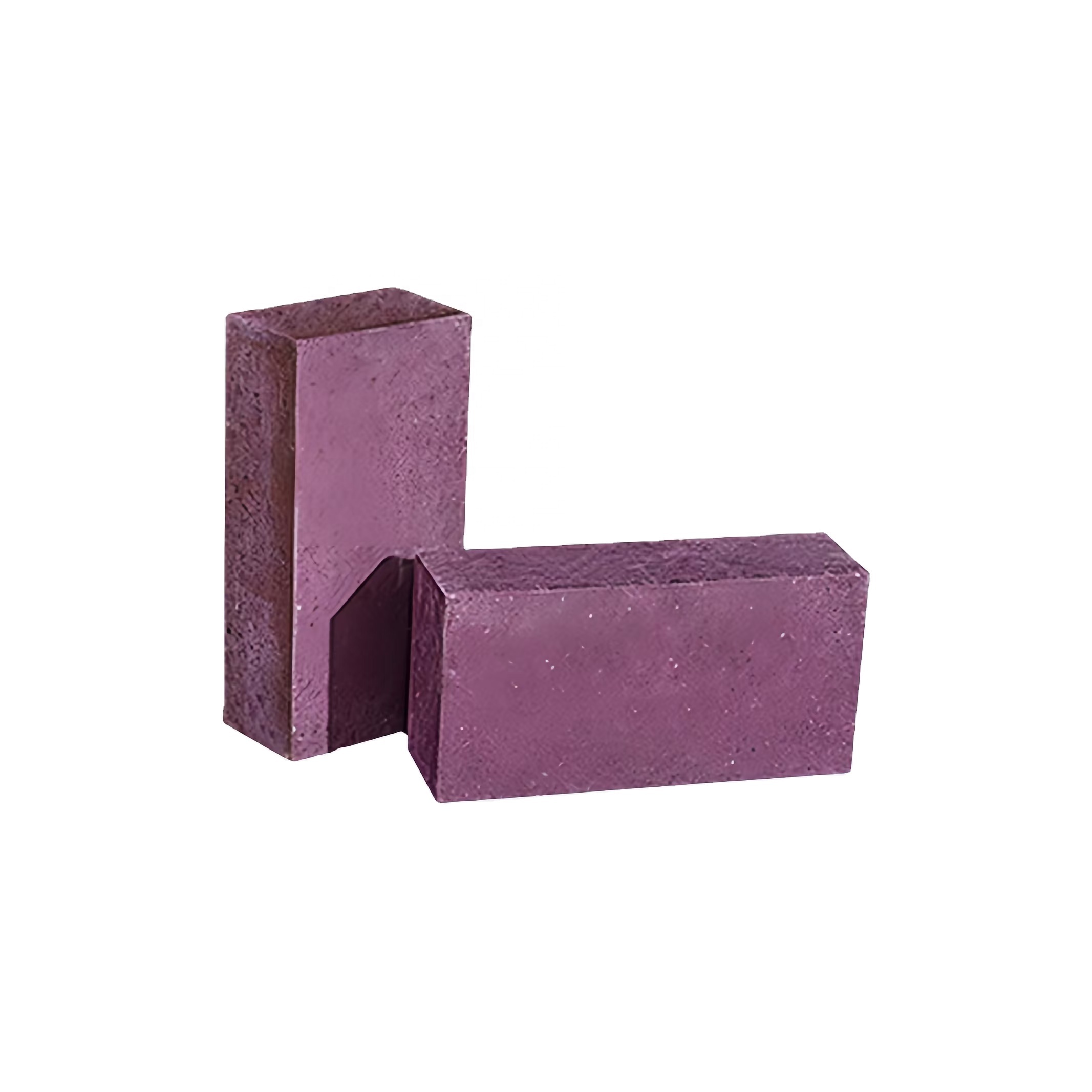
“Zirconia corundum” is often used as a broad category, but performance depends heavily on microstructure control. Thermal-shock resistant grades typically rely on a carefully engineered composite structure where zirconia phases and alumina phases work together to slow crack growth.
Key material advantages (what the furnace actually feels)
- Crack-deflection microstructure: phase boundaries can redirect cracks, increasing the energy required for spalling.
- High hot strength and abrasion resistance: better resistance to scrap impact, turbulence, and slag-line wear.
- Controlled porosity and penetration resistance: fewer “highway channels” for slag/metal infiltration.
- Stable high-temperature performance: suitable for repeated cycling typical of EAF operation.
Reference performance data (typical industrial range)
Note: actual targets should be confirmed with your furnace zone (slag line, hot spot, impact area), operating temperature, and slag chemistry.
On the business side, these properties commonly translate into fewer emergency repairs and more stable power-on time. In many EAF operations, improving refractory reliability can raise overall production predictability—often as valuable as the refractory itself.
3) Practical Selection: Size, Zone Design, and “Right Brick, Right Place”
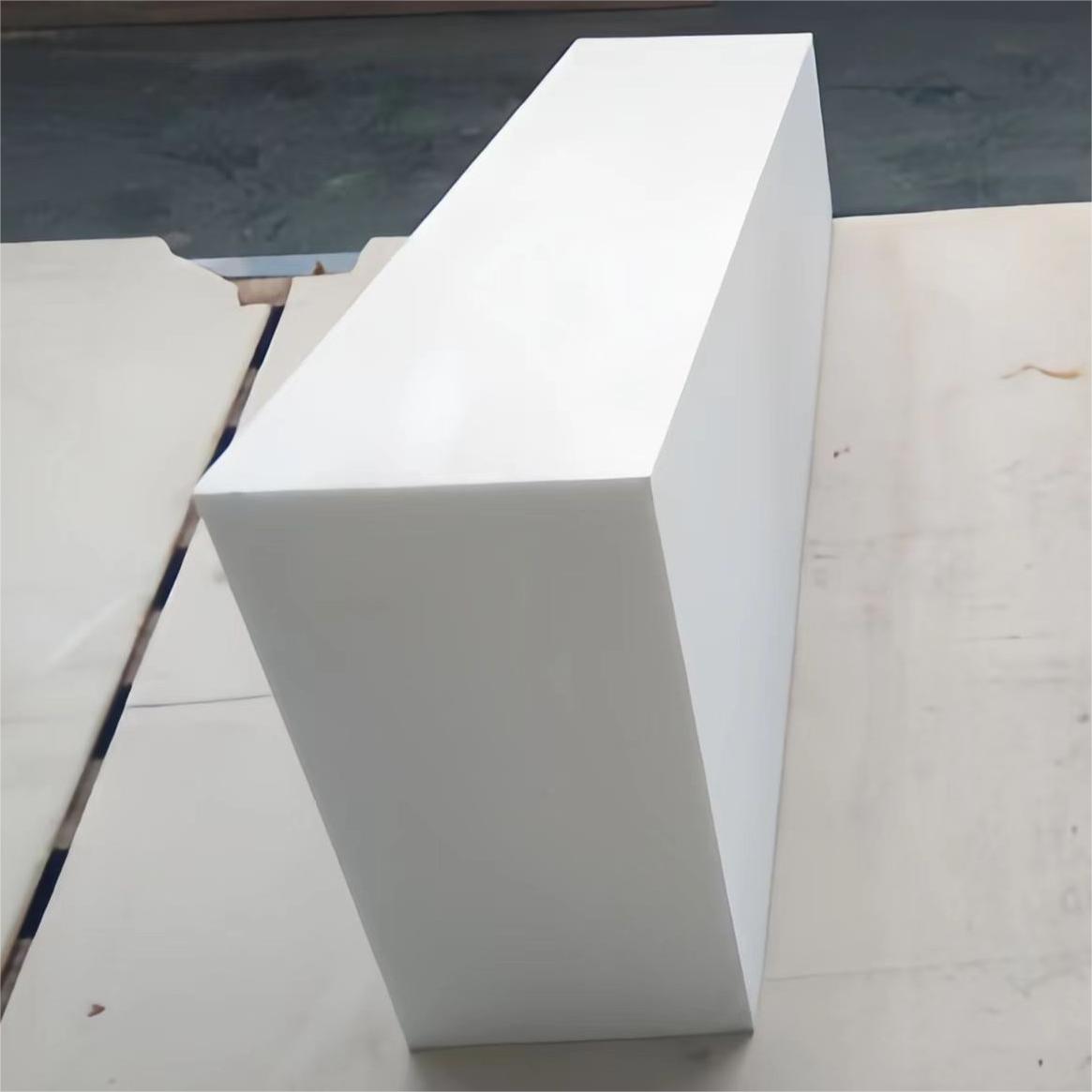
A common procurement mistake is buying a “premium brick” and using it everywhere. EAF linings fail by zones: slag line, hot spots near burners/lances, impact areas from scrap, and transition joints. A smarter approach is to specify the brick by zone and duty.
Zone-based checklist (fast to use on site)
Slag line
Prioritize penetration resistance + spalling resistance. Consider tighter joints and enhanced mortar selection.
Hot spot / arc exposure
Prioritize high hot strength and thermal cycling tolerance. Avoid over-wide joints that become “heat concentrators.”
Scrap impact area
Prioritize mechanical strength and abrasion resistance. Consider thicker local lining or impact protection design.
Joints & transitions
Prioritize dimensional consistency and proper expansion allowance to prevent stress concentration and edge spalling.
Typical lining-life uplift (field reference)
Plants upgrading the most vulnerable zones to thermal-shock resistant sintered zirconia corundum bricks often report a 15–35% increase in campaign life in those areas, with fewer mid-campaign patch repairs. Results depend on slag practice, power profile, and installation quality.
4) Installation Standards That Protect Your Investment
Even the best refractory can underperform if installation creates hidden stress points. Thermal-shock resistant bricks reduce risk, but they cannot compensate for poor joint control, misalignment, or incorrect mortar choice. Teams that treat installation as a “process” rather than a “task” typically see the highest ROI.
Recommended installation practices (EAF-friendly)
- Dry-out and storage discipline: keep bricks and mortar in dry conditions; moisture can create steam spalling during heat-up.
- Joint thickness control: keep joints consistent; excessive joint thickness can become a weak layer under thermal cycling.
- Brick orientation and tight seating: align to drawings; avoid rocking bricks and point contacts that concentrate stress.
- Compatible mortar selection: match chemistry and thermal behavior; do not “mix and match” arbitrarily between zones.
- Expansion allowance where required: provide planned gaps/expansion joints to avoid compressive crushing during heat-up.
- Controlled first heat-up: avoid aggressive ramping; the first cycles set the long-term crack pattern.
For projects that require traceability, many suppliers provide batch-level documentation, dimensional checks, and pre-shipment inspection records. When a plant standardizes this step, troubleshooting becomes faster and disagreements become rare.
5) Daily Maintenance Habits That Reduce Thermal-Shock Stress
Thermal shock is operational. That means maintenance and operating discipline can prevent a large share of failures even without changing the refractory. When paired with thermal-shock resistant sintered zirconia corundum bricks, these habits frequently extend lining life more than expected.
Actionable routines for technical teams
Operational stability matters: reducing abrupt temperature swings can lower thermal stress peaks. Many sites that optimize ramp profiles and minimize sudden cooling events report noticeably smoother wear patterns—even when production intensity stays high.
6) Case Snapshot: What “Longer Lining Life” Looks Like on the Floor
In a mid-size steel plant operating an EAF with frequent start-stop cycles, recurring spalling at the slag line led to repeated patching and unstable shell temperatures. After switching the high-failure zone to thermal-shock resistant sintered zirconia corundum bricks and tightening installation controls (joint consistency + controlled initial heat-up), the lining campaign improved in a measurable way.
Observed results (typical reference)
- Slag-line refractory patch frequency reduced by ~25–40%
- Localized spalling incidents reduced by ~20–30%
- Campaign life in the upgraded zone increased by ~18–32%
These figures are typical field ranges and vary with slag chemistry, oxygen practice, and furnace power profile.
The key takeaway is not that one brick “solves everything,” but that a thermal-shock resistant material combined with correct zone design and disciplined installation creates a dependable system—exactly what EAF operations need.
7) Quality Assurance & Compliance: What Buyers Should Ask For
For international B2B procurement, consistency and traceability reduce risk more than marketing claims. Reputable manufacturers typically operate under ISO 9001 quality management systems and can support project documentation for export markets. Where applicable, CE-related compliance documentation may be offered for equipment-adjacent applications or customer requirements.
A practical buyer’s document list
- Certificate of Analysis (chemistry: Al2O3, ZrO2, impurities)
- Physical properties report (porosity, bulk density, CCS)
- Dimensional tolerance inspection record
- Batch traceability + pre-shipment inspection photos
- Installation guidance + on-site/remote technical support plan
In many projects, the fastest way to build trust is simple: offer zone-based recommendations (not one-size-fits-all), provide test data that matches the application, and commit to post-delivery technical follow-up. That combination tends to outperform “premium-grade” labels.
Get a Zone-Matched Recommendation (Faster, Safer, Longer Campaigns)
If your EAF lining suffers from repeated spalling, slag-line wash, or frequent patching, a zone-based upgrade using thermal-shock resistant sintered zirconia corundum bricks can be one of the most practical improvements—especially when backed by documented properties, ISO 9001 processes, and real installation support.
Request Thermal-Shock Resistant Sintered Zirconia Corundum Bricks Specs + Installation Guide
Send your furnace zone, lining thickness, and slag practice details—receive a targeted recommendation, typical property sheet, and practical installation checklist.
Typical response time: within 24 hours on working days • Technical support: remote guidance and documentation-ready deliverables