In the international market of refractory bricks, one of the keys to increasing the conversion rate of customer inquiries is to accurately identify your target customers. For instance, overseas procurement managers from metallurgical plants are a significant target group. They are often responsible for selecting high - quality refractory materials that meet the strict production requirements of the plant. According to market research, as much as 60% of refractory material purchases in the metallurgical industry are decided by procurement managers. Understanding their needs, preferences, and decision - making processes can help you better position your products and marketing strategies.
When creating a customer profile, consider their pain points. For these procurement managers, issues such as product quality stability, cost - effectiveness, and compliance with international standards like ISO and CE are of utmost importance. Tailor your marketing messages to address these concerns directly, which will make your products more appealing to them.
The industry of refractory materials is constantly evolving, and keeping up with the latest trends is essential for B2B export success. One prominent trend is the increasing demand for high - performance refractory materials in green and low - carbon smelting. As environmental regulations become stricter around the world, metallurgical plants are looking for refractory products that can withstand high temperatures while reducing energy consumption.
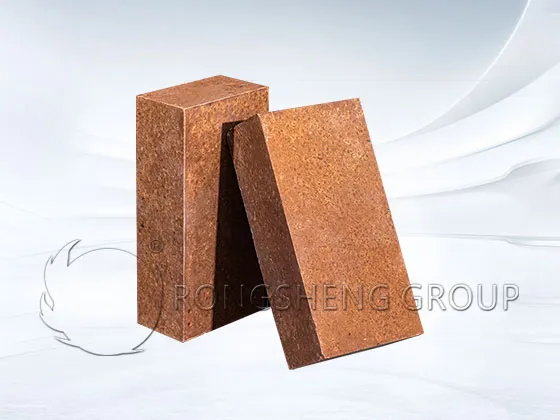
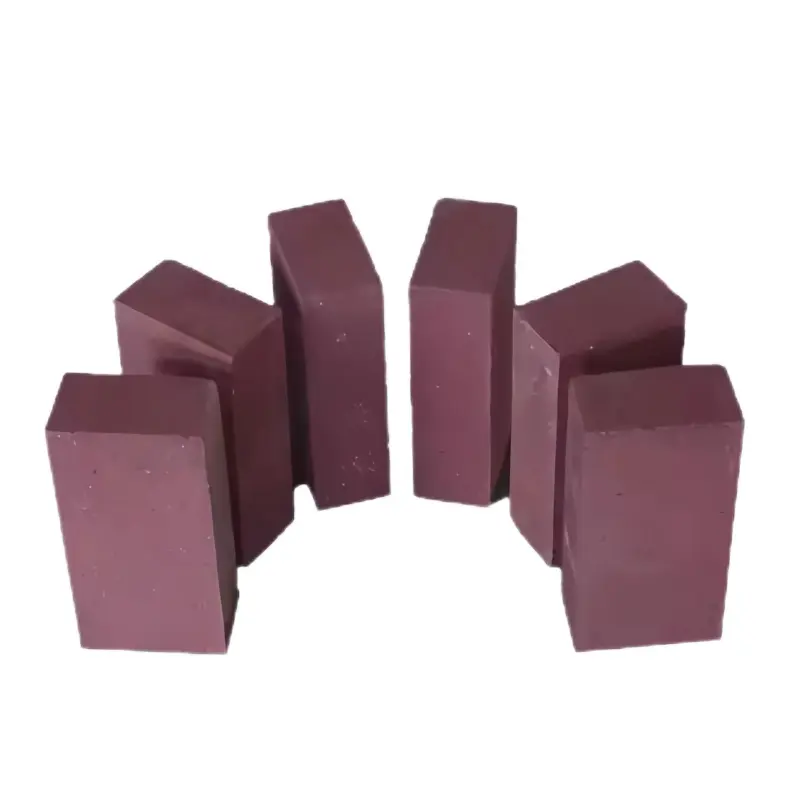
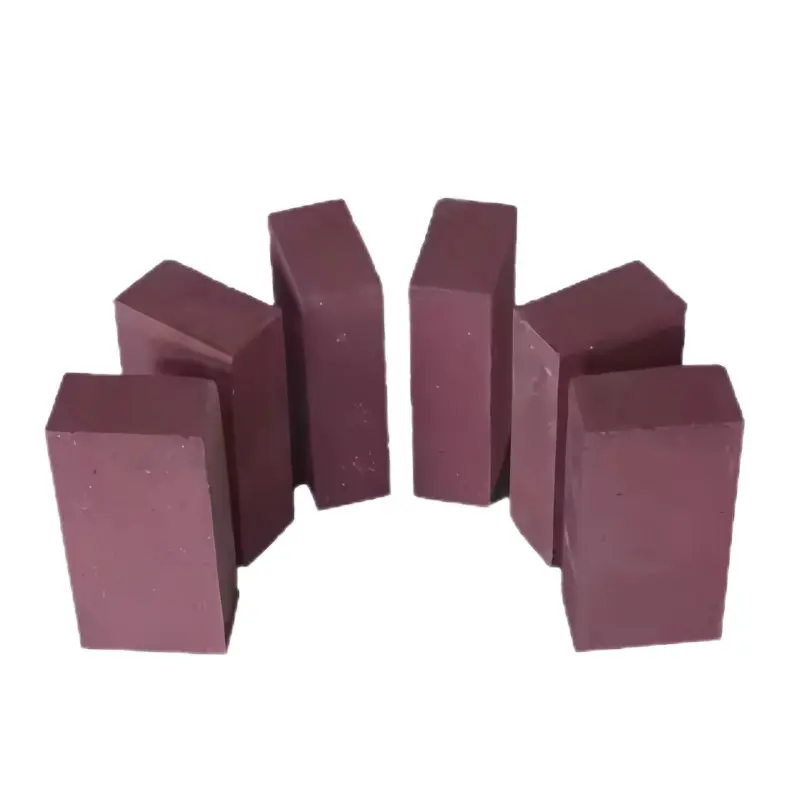
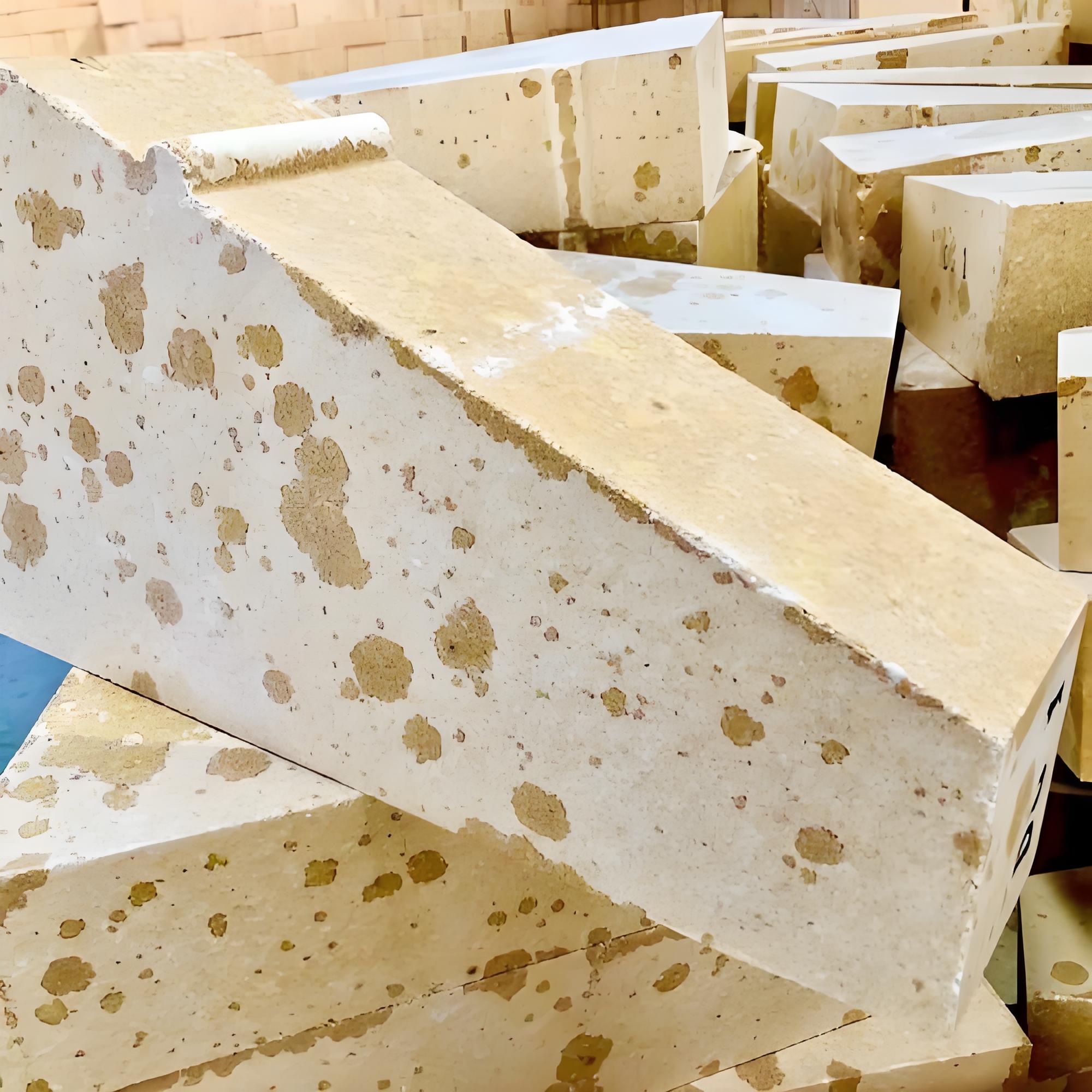
High - purity chrome - corundum refractory bricks produced by Zhengzhou Rongsheng Refractory Materials Co., Ltd. are well - suited to this trend. These bricks offer excellent thermal stability and corrosion resistance, which can help metallurgical plants improve their production efficiency and reduce environmental impact. By aligning your product promotion with industry trends, you can attract more potential customers who are forward - thinking and environmentally conscious.
Real - life case studies are a powerful tool to build trust and demonstrate the effectiveness of your products. For example, a European customer was able to place an order quickly after the optimization of the inquiry process. This customer was initially hesitant due to concerns about product performance and delivery time. However, after seeing the detailed technical specifications, ISO/CE certification, and positive feedback from other customers, they decided to give it a try.
Through optimizing the inquiry process, which included providing prompt responses, clear product information, and a user - friendly interface, the customer's concerns were alleviated. This case shows that by providing a seamless customer experience and reliable information, you can increase the conversion rate of inquiries. When sharing case studies, focus on the key pain points of the customer and how your products or services solved them.
To help your potential customers make informed decisions, it is crucial to provide practical operational guides. For example, when designing the technical parameter comparison module on the product detail page, make it easy for customers to understand the differences between different product models. Use clear headings, tables, and charts to present the information.
Let's say you are comparing different grades of high - purity chrome - corundum refractory bricks. List the key parameters such as refractoriness, bulk density, and thermal conductivity side by side. This will allow customers to quickly assess which product best meets their needs. Additionally, provide explanations for each parameter so that customers who are not experts in refractory materials can also make sense of the information.
Increasing customer trust is essential for converting inquiries into orders. One way to do this is by providing valuable content and interactive mechanisms. An FAQ section on your website can address common customer questions, such as product usage, installation, and maintenance. According to statistics, a well - designed FAQ page can reduce customer inquiries by up to 30%.
In addition to the FAQ, an online customer service entrance can provide real - time support to customers. This immediate response can significantly enhance the customer experience and build trust. By offering these interactive elements, you show your commitment to customer satisfaction, which in turn increases the likelihood of conversion.
Click to Get a Free Sample Application Form and Let Every Inquiry Be Valuable!
 278
|
278
|
 57
|
cast mullite bricks metallurgical refractory materials high-temperature applications corrosion resistance refractory thermal stability refractory
197
|
B2B export sales strategies refractory material website optimization industrial product lead generation international buyer engagement SEO for heavy industry products
449
|
high purity chrome zirconia alumina brick custom refractory bricks glass furnace refractory high temperature refractory material refractory brick customization
488
|
low-density refractory brick alumina-zirconia foam brick industrial kiln energy efficiency high-temperature refractory applications custom refractory solutions
57
|
cast mullite bricks metallurgical refractory materials high-temperature applications corrosion resistance refractory thermal stability refractory
197
|
B2B export sales strategies refractory material website optimization industrial product lead generation international buyer engagement SEO for heavy industry products
449
|
high purity chrome zirconia alumina brick custom refractory bricks glass furnace refractory high temperature refractory material refractory brick customization
488
|
low-density refractory brick alumina-zirconia foam brick industrial kiln energy efficiency high-temperature refractory applications custom refractory solutions