
As the global industrial sector evolves, the demand for high-quality materials like magnesite bricks continues to rise. In this analysis, I will discuss the application trends of magnesite bricks across various industries and highlight the technological innovations that are continuously shaping this market.
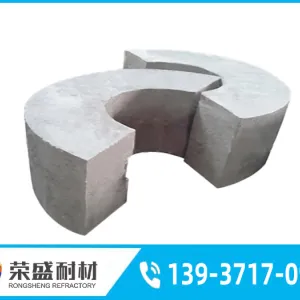
Magnesite bricks are primarily used in refractory applications due to their excellent thermal stability and resistance to corrosive environments. These bricks are critical in industries such as steel production, cement manufacturing, and glassmaking. The increasing demand for energy-efficient solutions and sustainability initiatives is driving the growth of magnesite bricks in the international market.

One significant trend in the application of magnesite bricks is their increasing use in the construction of electric arc furnaces. With the rising focus on recycling and reducing carbon emissions, these bricks are being more widely adopted in electric steelmaking processes.
In addition, the demand for advanced materials in the cement industry has led to the integration of magnesite bricks in kiln linings, further enhancing their market relevance.
The advancements in production technologies are significantly enhancing the quality and performance of magnesite bricks. The introduction of innovative manufacturing techniques such as pressure casting and advanced sintering processes is resulting in higher durability, making these products more appealing to manufacturers.

Moreover, the industry is increasingly moving towards sustainable practices with the development of eco-friendly magnesite bricks, produced with lower emissions and utilizing waste materials from other industrial processes. This trend not only meets regulatory requirements but also enhances the overall marketability of the products.
In conclusion, the global market for magnesite bricks is poised for remarkable growth, driven by their diverse applications and ongoing technological innovations. Understanding these trends is crucial for stakeholders looking to capitalize on new market opportunities and contribute to a more sustainable future.
 225
|
225
|
 refractories
Egypt industrial upgrade
manufacturing materials
refractories
Egypt industrial upgrade
manufacturing materials
.jpg?x-oss-process=image/resize,h_300,m_lfit/format,webp) 223
|
Rongsheng
dry vibration material
scientific formula
223
|
Rongsheng
dry vibration material
scientific formula
.jpg?x-oss-process=image/resize,h_300,m_lfit/format,webp) 347
|
refractory bricks
high-temperature materials
refractory brick market
construction materials
347
|
refractory bricks
high-temperature materials
refractory brick market
construction materials
.jpg?x-oss-process=image/resize,h_300,m_lfit/format,webp) 422
|
high-temperature bricks
erosion-resistant materials
422
|
high-temperature bricks
erosion-resistant materials
.jpg?x-oss-process=image/resize,h_300,m_lfit/format,webp) 390
|
furnace lining
industrial furnace
heat resistance
thermal insulation
390
|
furnace lining
industrial furnace
heat resistance
thermal insulation





.jpg?x-oss-process=image/resize,m_fill,h_100,w_100/format,webp)