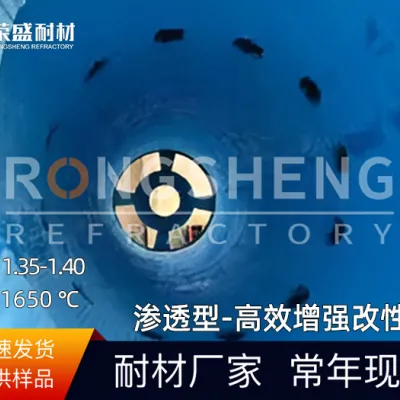
In an era where energy efficiency and sustainability are paramount, the RS500 high-temperature thermal insulation coating emerges as a game changer. Specifically formulated to withstand extreme temperatures, RS500 not only provides superior thermal performance but also significantly reduces energy consumption across various applications. This article delves into the innovative advantages of RS500 coating, highlighting its features and benefits in different industrial contexts.
RS500 thermal coating is designed to endure high-temperature environments, making it ideal for use in industries such as manufacturing, energy production, and automotive. Its high thermal resistance, coupled with its eco-friendly properties, makes it a preferred choice among engineers and manufacturers aiming to improve both efficiency and sustainability.
The versatility of RS500 allows it to be effectively utilized across various sectors. Below are a few notable applications:
In manufacturing, the RS500 coating is applied to equipment and machinery exposed to high heat, reducing energy consumption and enhancing productivity.
Power plants and renewable energy facilities utilize RS500 to manage heat loss, thereby improving overall efficiency and contributing to sustainability goals.
Automakers implement RS500 as a thermal barrier in engines and exhaust systems, which aids in reducing emissions and improving horsepower.
The RS500 high-temperature thermal insulation coating stands out as an innovative solution for industries facing the dual challenge of increasing energy costs and environmental concerns. With its enhanced performance characteristics and versatile applications, RS500 not only meets but exceeds the expectations of modern industrial needs.
.jpg?x-oss-process=image/resize,h_300,m_lfit/format,webp)
 317
|
317
|
 Malaysian clay bricks
arch brick market
building materials
Malaysian clay bricks
arch brick market
building materials
 89
|
Lightweight Insulation Bricks
High-Alumina Thermal Bricks
89
|
Lightweight Insulation Bricks
High-Alumina Thermal Bricks
 166
|
lightweight mullite bricks
refractory materials
thermal stability
166
|
lightweight mullite bricks
refractory materials
thermal stability
 187
|
magnesium-aluminum bricks
redox reactions
stability analysis
187
|
magnesium-aluminum bricks
redox reactions
stability analysis
 259
|
Insulating Fire Bricks
Market Analysis
Fire Resistant Materials
Refractory Products
Thermal Insulation
259
|
Insulating Fire Bricks
Market Analysis
Fire Resistant Materials
Refractory Products
Thermal Insulation